
Extensibilité
L'équilibre parfait entre vitesse et flexibilité
Nous sommes experts en OMS pour le commerce, le produit répond déjà à la grande majorité de vos besoins. Pour tout le reste, le framework d'extensibilité offre toute la flexibilité nécessaire.
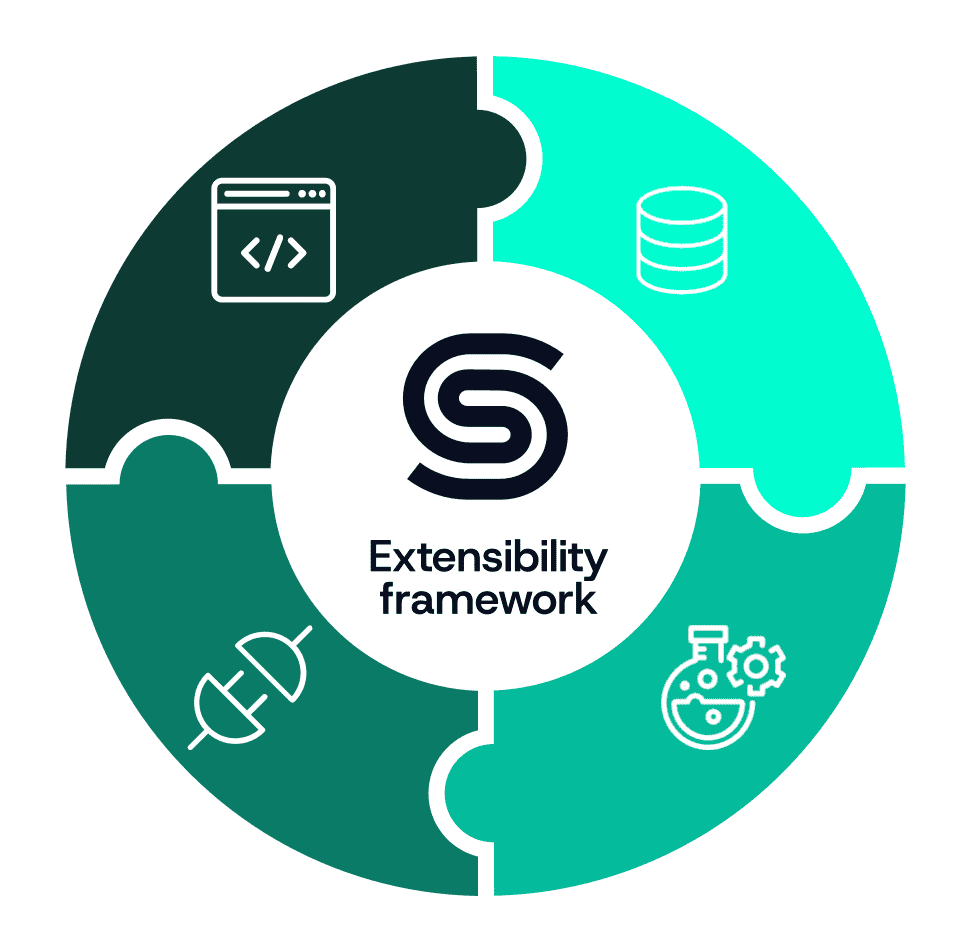
Étendez OneStock à vos besoins spécifiques, simplement et sans risque.
S'adapter à vos processus métier
Personnalisez l'orchestration et les règles métier : créez, modifiez et déployez des flux de commandes sur mesure et des champs de données personnalisés (précommandes, abonnements, commandes à la fabrication) tout en préservant la stabilité et l'évolutivité de la plateforme OneStock.
Innover plus vite, en toute autonomie
Permettez à vos équipes produit et à vos intégrateurs de développer et déployer des fonctionnalités de manière indépendante grâce aux points d'extension. Réduisez le time-to-market pour les nouvelles expériences d'achat et libérez vos équipes IT pour des initiatives à plus forte valeur ajoutée.
Évoluer en toute confiance
Développez vos capacités à votre rythme (nouveaux marchés, nouveaux canaux, nouvelles fonctionnalités) sans migrations coûteuses. Maintenez des SLA cohérents et la continuité opérationnelle à mesure que vos volumes augmentent.
Restez indépendant, sans risque
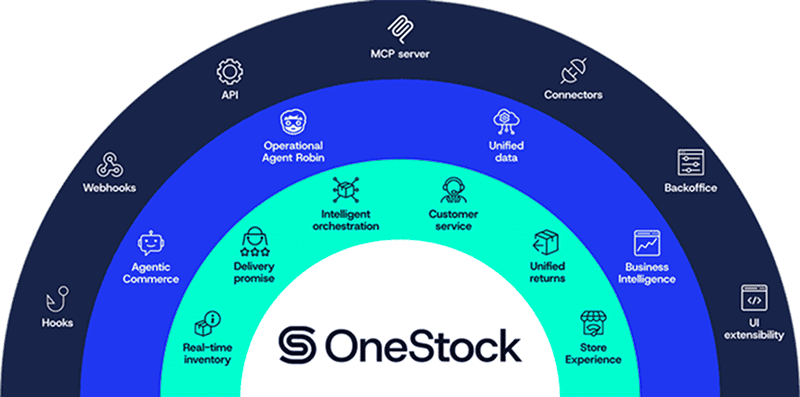
Utilisez les API, webhooks et hooks définis pour exécuter votre logique métier sur votre propre infrastructure. Vous gardez le contrôle de vos règles et de vos données tandis que le cœur de plateforme OneStock reste verrouillé et évolutif, sans modification risquée du code central.







Les composants clés du framework d'extensibilité
Un framework complet pour la personnalisation à l'échelle enterprise.
Hooks
Les hooks sont des points d'injection définis dans OneStock qui vous permettent d'exécuter une logique métier personnalisée sans toucher au code central. Ils acceptent des entrées contrôlées, exécutent une logique isolée et renvoient des sorties standard, préservant ainsi l'évolutivité, la sécurité et la stabilité de la plateforme tout en permettant la personnalisation à l'exécution.

API — couverture complète de la plateforme
OneStock fournit des API RESTful sécurisées couvrant l'intégralité de la plateforme : commandes, stocks, retours, promesses, paiements et reporting. Conçues pour l'orchestration en temps réel, les opérations en masse et les intégrations profondes, elles intègrent authentification, gestion des débits et versionnage sémantique pour garantir stabilité et évolutivité.
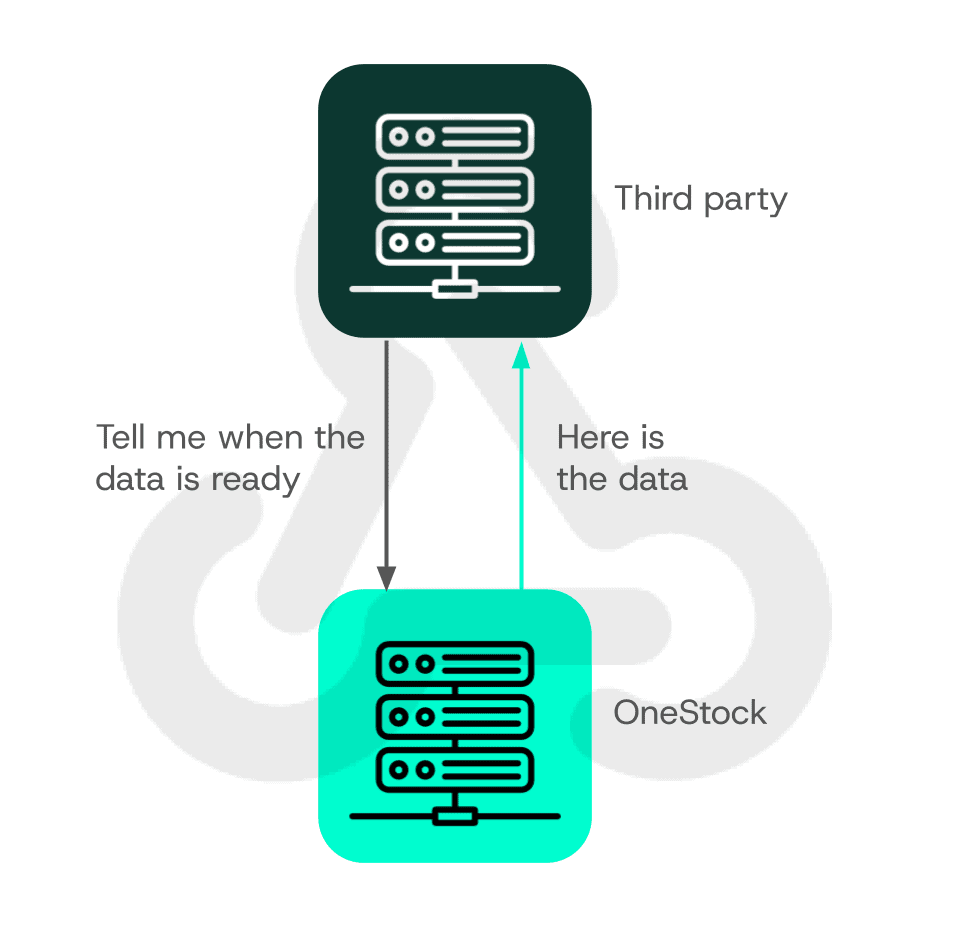
Webhooks — intégrations basées sur les événements
Transmettez les événements à vos systèmes en temps réel. Déclenchez des automatisations en aval, mettez à jour instantanément vos services tiers et réduisez la latence d'intégration sur les événements opérationnels critiques.

Modèle de données flexible et attributs personnalisés
Ajoutez des attributs personnalisés aux objets natifs (commande, client, produit, magasin) sans modifier le code source. Les données étendues transitent par les interfaces, les API, les workflows et les rapports pour enrichir la prise de décision et accélérer le déploiement de nouvelles fonctionnalités.
Cas d'usage
Vue enrichie des commandes pour le service client
Ajoutez des données financières et tierces à la vue commande du service client pour accélérer le triage, le rapprochement des paiements et la résolution des litiges, moins de temps de traitement, plus de satisfaction client.
Sélection des candidats à l'exécution des commandes basée sur les données
Exploitez des signaux externes : trafic, météo, KPIs transporteurs, stocks locaux, fidélité, pour scorer et classer vos candidats à l'exécution. Améliorez la précision des promesses, la ponctualité et l'efficacité du routage.
Connecteur de paiement non natif
Intégrez un prestataire de paiement tiers pour la capture différée, les remboursements et les rapprochements directement depuis OneStock. Synchronisez les événements de paiement avec les statuts de commande et réduisez les réconciliations manuelles.
Actions groupées pour le service client
Activez des actions en masse (mises à jour de statut, annulations, tagging groupé, remboursements) sur une sélection de commandes dans l'application service client. Moins de tâches répétitives, des backlogs traités plus vite, un meilleur rendement pour vos équipes.
Comment fonctionne l'extensibilité
Définir les exigences personnalisées
Identifiez les exigences métier que les configurations OMS standard ne couvrent pas. Documentez les champs de données personnalisés, les variantes de workflow, les besoins d'intégration et les modifications d'interface nécessaires à l'échelle de votre organisation.
Développer des extensions
Utilisez les outils techniques OneStockpour créer des champs personnalisés, concevoir des workflows, créer des connecteurs et configurer des extensions d'interface utilisateur.
Test en préproduction
Déployez les extensions en environnement de préproduction. Validez les fonctionnalités, les performances et les points d'intégration. Utilisez le versionnage de configuration et la gestion d'environnement pour garantir le bon fonctionnement avant la mise en production.
Déployer en production
Promouvez les extensions validées en production via des packages de déploiement contrôlés. Surveillez leurs performances grâce aux outils de monitoring intégrés.
Maintenir
Les extensions restent compatibles avec les montées de version de la plateforme.
Qu'est-ce que l'extensibilité d'un OMS et pourquoi est-elle importante pour les retailers ?
L'extensibilité permet aux enseignes de personnaliser les fonctionnalités de leur OMS pour répondre à des besoins métier spécifiques sans toucher au code central de la plateforme. Elle élimine la dette technique, préserve la capacité de mise à jour, réduit les coûts de maintenance et accélère le déploiement de nouvelles fonctionnalités, sans compromettre la stabilité ni la fiabilité de la plateforme.
En quoi le framework d'extensibilité OneStock se distingue-t-il des modifications de code personnalisées ?
OneStock expose des points d'injection sécurisés, des API, des webhooks et des outils de workflow visuels sans nécessiter de modifications du code central. Les extensions restent isolées de la plateforme cœur, ce qui garantit que les mises à jour OneStock ne remettent pas en cause vos personnalisations. Cette approche réduit la dette technique, simplifie la maintenance et permet aux équipes métier de configurer des fonctionnalités sans mobiliser de développeurs.
Puis-je étendre OneStock pour l'intégrer à mes systèmes ERP et WMS existants ?
Oui. Le framework de connecteurs non natifs OneStock vous permet de créer des adaptateurs d'intégration sur mesure pour vos systèmes ERP, WMS, CRM, prestataires de paiement, transporteurs, moteurs fiscaux et systèmes de promotion. Les connecteurs s'appuient sur les API et l'infrastructure webhook de OneStock, et peuvent être hébergés dans l'environnement sécurisé OneStock ou déployés en externe selon vos besoins.
Que deviennent mes extensions personnalisées lors des mises à jour de la plateforme ?
Les extensions développées avec le framework OneStock restent compatibles avec les montées de version, car elles s'appuient sur des points d'extension définis plutôt que sur des modifications du code central. OneStock garantit la rétrocompatibilité des API, webhooks et interfaces d'extension, vos personnalisations continuent de fonctionner après chaque mise à jour, sans réécriture ni tests approfondis.
Faut-il des développeurs pour créer des extensions dans OneStock ?
De nombreuses extensions peuvent être configurées par des utilisateurs métier via des outils visuels, des diagrammes d'état et des interfaces no-code. Les intégrations complexes et les connecteurs sur mesure peuvent nécessiter des ressources de développement, mais OneStock fournit une documentation complète, des API et un design system qui réduisent significativement le temps de développement par rapport aux approches de codage traditionnel.
Découvrez comment OneStock relie l'inventaire aux livraisons pour tenir toutes les promesses clients.
Par modèle d'entreprise
Par scénario









Découvrez comment les enseignes améliorent leur disponibilité produit, optimisent l'exécution des commandes et accélèrent leur croissance avec OneStock.
Livres blancs
Guides complets sur la gestion des commandes et le rôle de l'Order Management System.
Webinaires
Des sessions à la demande pour tout savoir sur la gestion des commandes.
Évènements
Retrouvez notre équipe lors des événements de référence.
Témoignages clients
Les résultats de l'OMS chez nos clients.
Partenaires
